Data Analysis and Decision Support Tool for Quail Farming
Isolate success factors:
Evaluate feed efficiency, housing conditions, and stocking density to pinpoint superior performance and maximize yield per cycle.
Isolate success factors:
Evaluate feed efficiency, housing conditions, and stocking density to pinpoint superior performance and maximize yield per cycle.
What is Quail Breeder?
Quail Breeder is an all-in-one digital assistant designed to manage and optimize your quail production. It accurately accounts for every step of your operation, from egg to invoice.
Key Features
Scale Without Limits:
Manage an unlimited number of incubators and customize settings for up to three distinct types of equipment.
Real-time Capacity Overview:
Instantly visualize the current load and availability of all critical equipment (incubators, brooders, and cages) to optimize batch scheduling.
Seamless Integration & Reminders:
Sync key dates and deadlines with your existing external calendar (iCloud, Google Calendar) to ensure nothing is missed.
Precise Mortality Analysis:
Log and analyze every loss by date, time, and specific cage/location for faster identification of health risks.
Clean & Organized Data:
Automatically archive completed production batches, keeping your active dashboard clean and improving long-term data retrieval.
Professional & Fast Billing:
Generate professional, branded invoices instantly using fully customizable templates.
Flow Map

The process consists of the following steps:
Incubation
Incubation
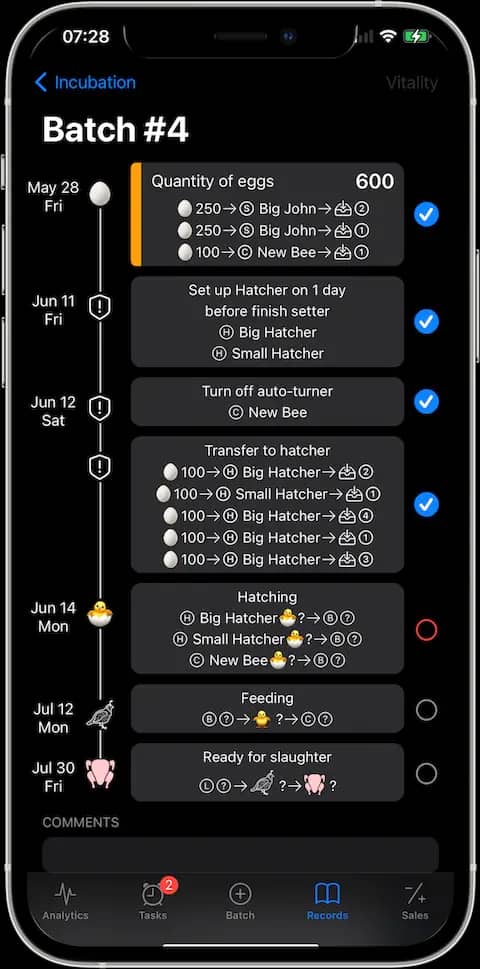
Manage and monitor the incubation process of quail eggs, including temperature, humidity, and turning schedules. In case of using a Setter incubator, also specify the planned Hatcher trays. The main factors influencing it are the age of the bird laying the hatching egg and the quality of your incubators (fresh air exchange while the embryo is in the egg, as it also requires oxygen).
The shell is not airtight. It is permeated by thousands of microscopic pores (from 7,000 to 17,000) that allow gases to move freely between the interior of the egg and the external environment.
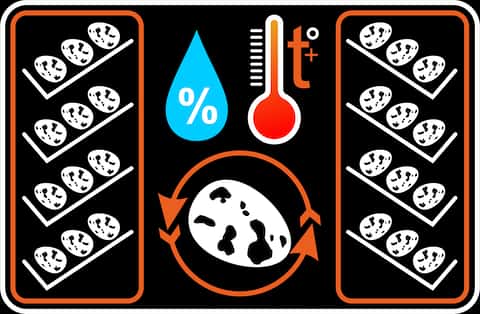
Manage and monitor the incubation process of quail eggs, including temperature, humidity, and turning schedules. In case of using a Setter incubator, also specify the planned Hatcher trays. The main factors influencing it are the age of the bird laying the hatching egg and the quality of your incubators (fresh air exchange while the embryo is in the egg, as it also requires oxygen).
The shell is not airtight. It is permeated by thousands of microscopic pores (from 7,000 to 17,000) that allow gases to move freely between the interior of the egg and the external environment.
Hatching
Hatching
Don't miss this magical day, the miracle of a new life being born, by connecting your favorite calendar and/or receiving personalized notifications on your device. Select an incubator and tray number. Enter the quantity of hatched nestlings and indicate which brooder they will be placed in.
At this stage, you get your first Key Performance Indicator (KPI). The vitality percentage is calculated as the ratio of hatched nestlings to the number of eggs set for incubation.
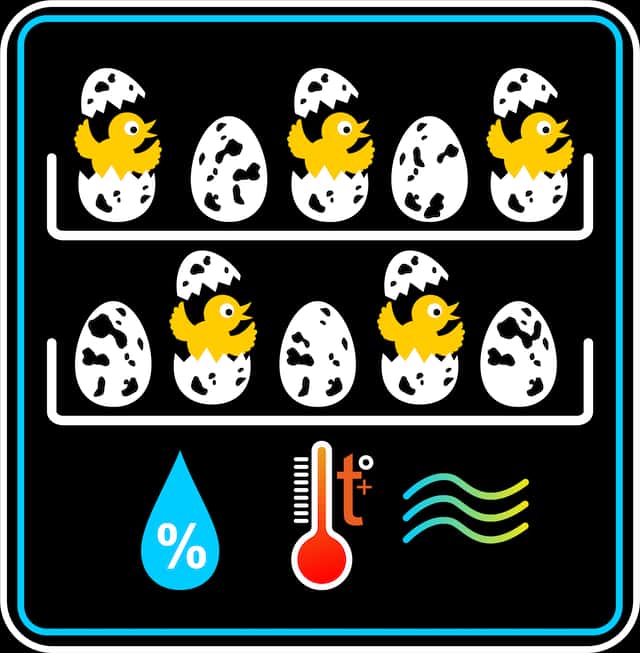
Don't miss this magical day, the miracle of a new life being born, by connecting your favorite calendar and/or receiving personalized notifications on your device. Select an incubator and tray number. Enter the quantity of hatched nestlings and indicate which brooder they will be placed in.
At this stage, you get your first Key Performance Indicator (KPI). The vitality percentage is calculated as the ratio of hatched nestlings to the number of eggs set for incubation.
Brooding
Brooding
Tracking mortality of nestlings on a daily basis and keeping appropriate records and notes of changes in nutrition, climate, etc. will make it easier to identify the cause.
Increasing the vitality percentage is the main task at this stage. Proper care and monitoring will help achieve this.
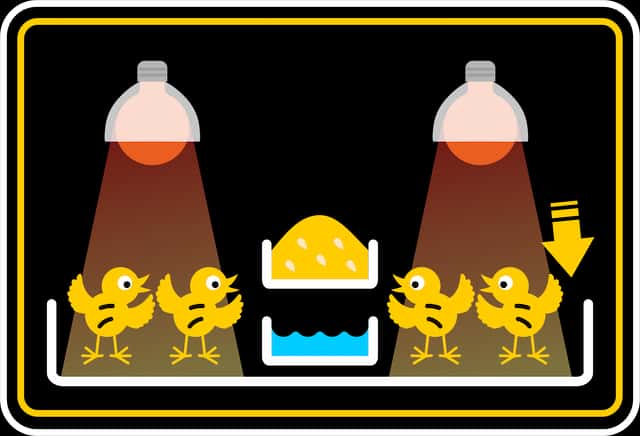
Tracking mortality of nestlings on a daily basis and keeping appropriate records and notes of changes in nutrition, climate, etc. will make it easier to identify the cause.
Increasing the vitality percentage is the main task at this stage. Proper care and monitoring will help achieve this.
Feeding
Feeding
Select Feeding from the list of batch tasks. Then indicate the location and fill in the cages that are free at that the day.
At this point, you can also create survival records.

Select Feeding from the list of batch tasks. Then indicate the location and fill in the cages that are free at that the day.
At this point, you can also create survival records.
Slaughter
Slaughter
Crucially, the flock is ready for processing here within 50 to 60 days. The prerequisite for initiating the slaughter process is to create a kill sheet (or processing order). This order serves a dual purpose: it can also be used as a sales order, and forms the basis for sending the template-generated invoice to the customer.
By completing the cycle and entering all relevant data, you will be able to assess the quality of the feed, housing, and stocking density in the cages, thereby identifying areas where the results were subpar and where the performance was superior.

Crucially, the flock is ready for processing here within 50 to 60 days. The prerequisite for initiating the slaughter process is to create a kill sheet (or processing order). This order serves a dual purpose: it can also be used as a sales order, and forms the basis for sending the template-generated invoice to the customer.
By completing the cycle and entering all relevant data, you will be able to assess the quality of the feed, housing, and stocking density in the cages, thereby identifying areas where the results were subpar and where the performance was superior.
Selling
Selling
You can edit an invoice template that supports clickable links.
If there are no more birds in the batch, it is automatically transferred to the archive.
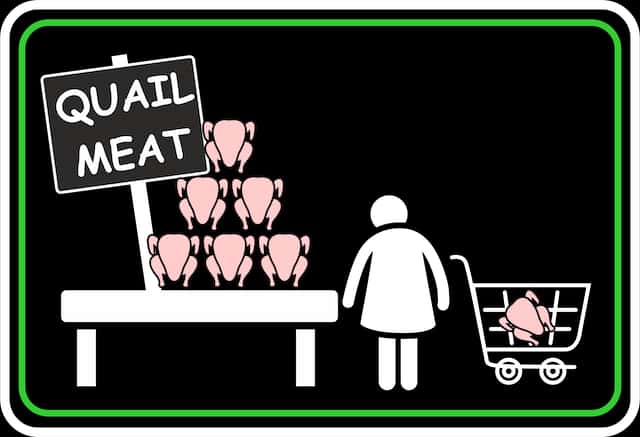
You can edit an invoice template that supports clickable links.
If there are no more birds in the batch, it is automatically transferred to the archive.
Support that understands your challenges
Have a question about incubation calculation or program setup? We're here for you. Our goal is to keep quailbreeder.net working for your success 24/7.
Guaranteed Help
Even on the free plan or $5 subscription
How it works
Ticket
Describe your issue in the dashboard
Get a reply notification in your inbox
Solution
Dialogue until the issue is resolved
Why tickets are better than email
Direct Developer Contact
Communicate with the project author, not a support agent
No Spam
Your requests never get lost in filters
Community Priority
Subscription allows us to implement your ideas